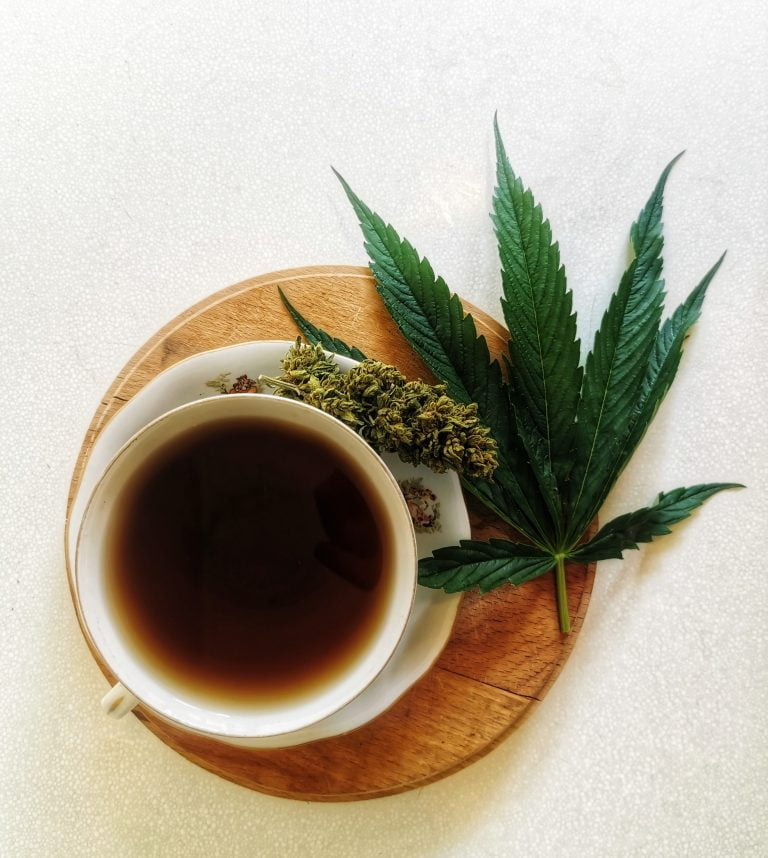


Cannabis Sativa, also known as hemp in English, is an annual herbaceous plant with a long history of human use. Known primarily for its psychoactive effects, cannabis has a use for recreational, medicinal, and industrial purposes.
Where does Cannabis Sativa come from?
Cannabis is native to Eastern Asia and has been cultivated and distributed throughout the world since. The plant has been used by ancient tribes and civilizations for a variety of purposes, including as a source of fiber, oil, and food, as well as for religious needs and medicine.
The potential of cannabis for fiber production was utilized in Europe and the New world during the industrialization era until the 20th century. In the 20th century, cannabis became the subject of political and legal controversy, with some countries banning its use and cultivation altogether. The use of cannabis for recreational purposes surged in 1960s, cannabis became the subject of political and legal controversy that lead to most of the world banning its use and cultivation altogether.
Uses of Cannabis today
Industrial hemp industry
During the prohibition period, cannabis cultivation was still possible under the industrial hemp programs. In most cases, hemp and other natural fibers have been replaced by their synthetic counterparts. But as we are trying to reduce our dependence on fossil fuels, hemp cultivation is on the rise.
Many farmers also applaud the new laws that ease the regulation of cannabis cultivation for industrial purposes. Especially the “2018 Farm Bill” in the United States and the increase in THC limit around the globe are making the crop more attractive for farmers, processors, and investors.
Cannabis in medicine
The cannabis plant contains over 100 different natural compounds, the most well-known of which is delta-9-tetrahydrocannabinol (THC). THC is responsible for the “high” that users experience when they consume cannabis. THC and many other cannabinoids such as CBD (cannabidiol) and CBG (cannabigerol) are believed to have medicinal properties.
Historically, the plant has been used for a variety of purposes, including as a pain reliever, anti-inflammatory, and anti-seizure medication. Currently, medical cannabis is available in many parts of the world, despite the ongoing debate over its legality. New studies and breakthroughs in medicine have allowed us to safely treat symptoms of a variety of conditions, including chronic pain, multiple sclerosis, and the side effects of chemotherapy.
Recreational Cannabis
Cannabis is a popular recreational drug, especially among young people. It is the most widely used illicit drug in the world, with millions of people using it regularly. THC, the active ingredient in cannabis, causes euphoric effects in humans, which can produce feelings of happiness and well-being.
People use cannabis recreationally as a way to relax and unwind, while others use it to enhance their form of entertainment. Others use it to stimulate creativity, improve focus and concentration, or as a way to socialize and connect with others.
Negative sides of cannabis use
There are still many unknowns when it comes to cannabis, despite its popularity and the ongoing debate about its legality. For example, the long-term effects of regular use are not well understood. Although research has shown that the drug can be effective in treating certain conditions.
In addition to the fact that one method of use may be more harmful than another, it may also affect the way the drug works. Smoking and vaping have different effects than ingesting the drug.
Another concern is the origin of the cannabis or the cannabis product. Lots of people rely on the black market for supply, where quality control is virtually nonexistent. Despite these concerns, the use of cannabis for both medical and recreational purposes is widespread.
In Conclusion
While cannabis legality varies greatly from place to place and the debate over legalization continues, one thing is certain. Cannabis is here to stay. The plant’s ability to treat a variety of conditions, as well as its ability to produce a pleasurable “high,” makes it attractive to many.
But as more research is done on the plant and how it affects us, it will become increasingly important for individuals to make informed decisions about how they want to use cannabis.
That’s why we welcome you to become a regular reader of our informative blog posts. Stay tuned!