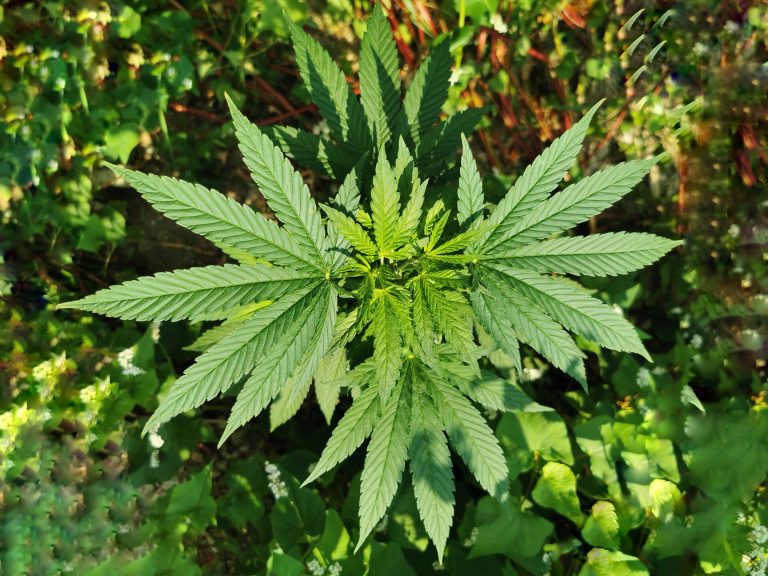


CBD, or cannabidiol, is a chemical compound found in the cannabis plant. It is not psychoactive like THC, the compound responsible for the ‘high’ associated with cannabis use. Instead, it is thought to have a variety of potential therapeutic benefits, such as reducing anxiety, pain, and inflammation. It is also the cannabinoid that is most commonly found in the industrial hemp plant.
A brief history
It was in the 1940’s that scientists first isolated cannabidiol and began to study it in more detail. Soon after, scientists discovered that cannabidiol, and most of the other cannabinoids, are not psychoactive. This led researchers to focus on THC. THC, which is the psychoactive cannabinoid, has sparked more interest in the scientific field.
There has been a resurgence of interest in the potential therapeutic benefits of cannabidiol as legal hemp has become more mainstream over the past decade. Since then, CBD has become the go-to for general wellness for a wide range of people. For example, it can promote relaxation or improve sleep. It can also help with a variety of health issues.
CBD has been the subject of much controversy because it is derived from cannabis, even though it poses no risks to healthy individuals. In fact, cannabidiol has been added to the list of controlled narcotic drugs. It was de-scheduled in 2020 after the European Court of Justice indicated that it “does not appear to have any psychotropic effect or any harmful effect on human health”.
How does it work?
CBD works by interacting with the body’s endocannabinoid system (ECS). The ECS is a system of receptors and endocannabinoids – cannabinoids produced by our bodies. The ECS consists of two main receptors called CB1 and CB2. Endocannabinoids and CBD are molecules that bind to these receptors and produce different effects in our bodies.
When cannabidoil is consumed, it interacts with these receptors in the ECS, but does not directly bind to them. Instead, it affects the activity of the endocannabinoids produced inside us. CBD is known to act on CB1 receptors, which are found primarily in the brain and spinal cord. CB1 receptors regulate pain, mood, appetite, and other functions. CBD also interacts with CB2 receptors which are located in white blood cells and spread throughout the body. CB2 receptors regulate the immune system response, which is reflected in perceiving inflammation and other immune-related functions.
It’s also thought to interact with other receptors, enzymes, and ion channels involved in various other physiological processes. Through its mechanism of action, CBD may help reduce inflammation, pain, and anxiety while promoting better sleep. However, more research is needed to fully understand how it works and its potential therapeutic benefits.
How to use CBD?
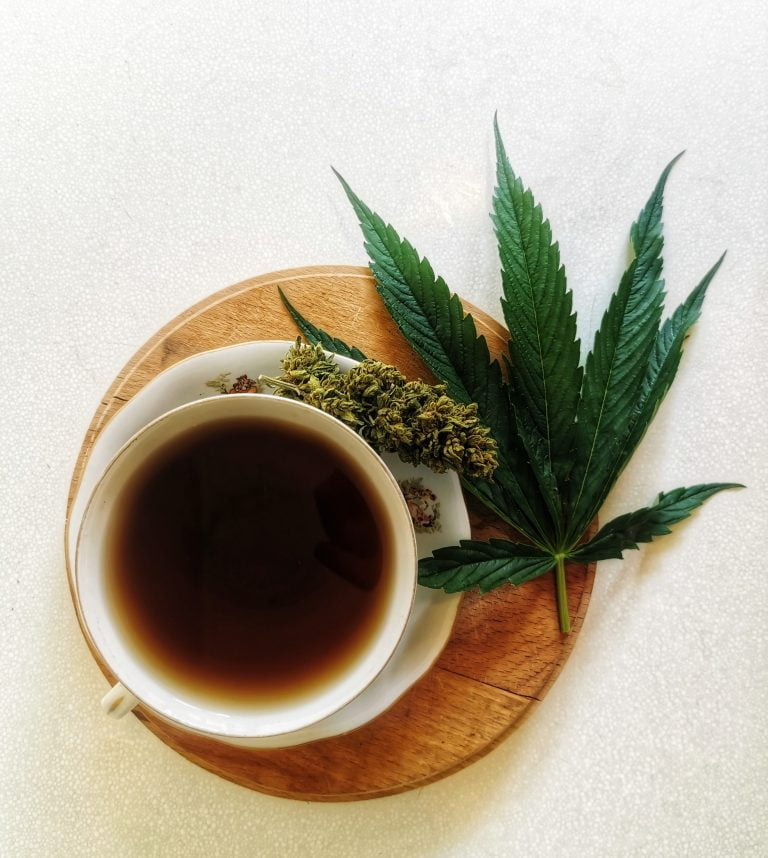
Cannabidiol is found in large quantities in legal cannabis varieties (below 0.3% THC) that are readily available today. The highest concentration of CBD is found in the cannabis flower. We can use just cannabis flowers as our source of CBD, in the form of teas, herbal infusions, smoking, and vaporization.
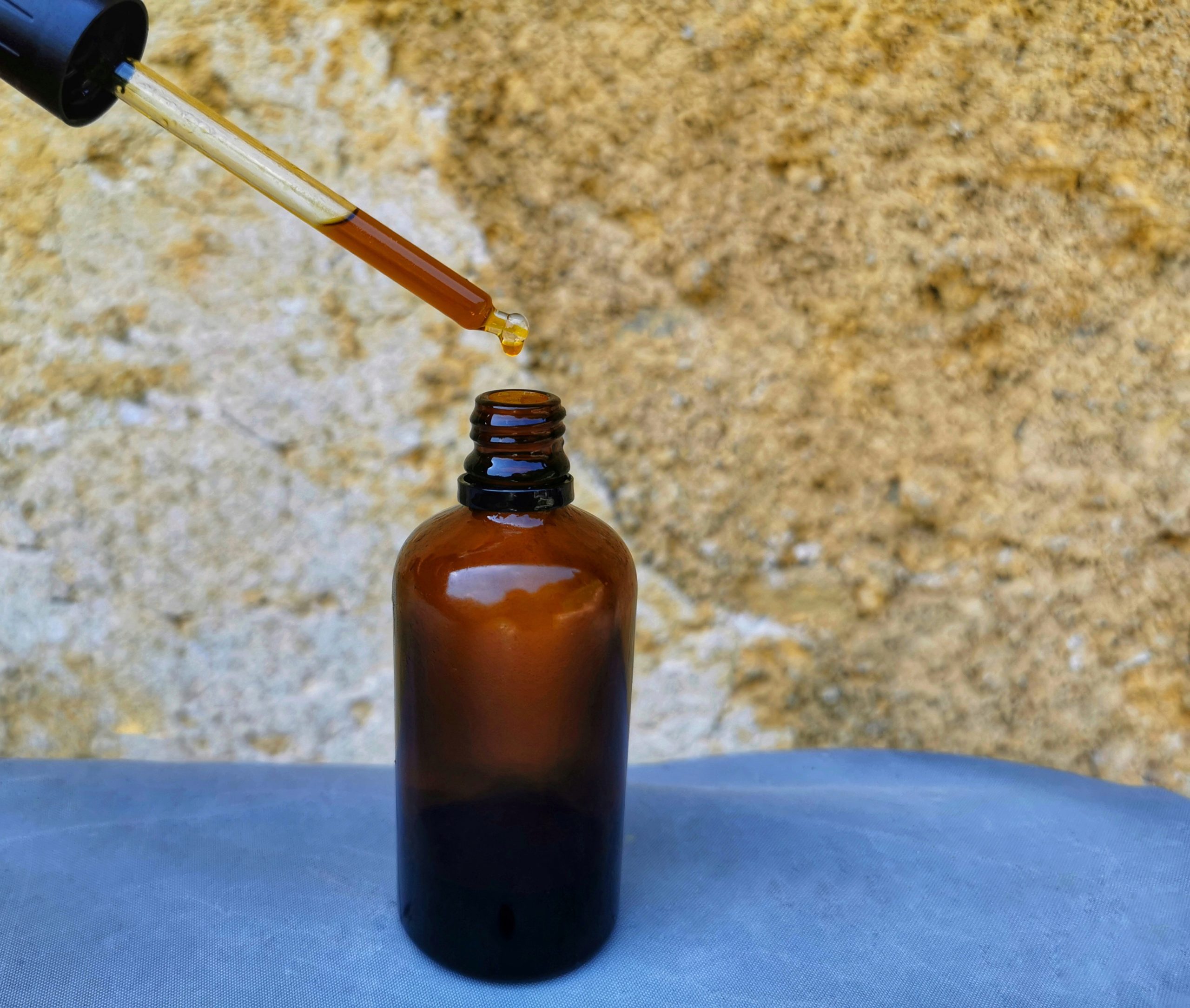
Cannabidiol products come in a variety of forms including oils, capsules, sprays, vaporizers and topicals. We can produce various CBD products from our cannabis flowers or purchase finished CBD products. Oral absorption of CBD oil is the most popular method of consumption. The CBD oil is placed under the tongue and held there for a minute or so before being swallowed. CBD oils and tinctures can be added to other foods and beverages as well. Many other edible CBD products exist, like capsules, gummies, chocolate, etc.
Topical products include lotions, creams, and balms. These are applied directly to the skin for localized relief. Some users also like to consume cannabidiol through the use of vaporizers or e-cigarettes to inhale the compound.
Side effects
Cannabidiol is generally well tolerated and most people experience no significant side effects. However, some people may experience some mild side effects when taking CBD, including the following:
- Dry mouth: CBD may decrease production of saliva, which can be the cause of dry mouth.
- Drowsiness: Some people, especially at higher doses, may feel drowsy or sleepy after taking CBD.
- Diarrhea: CBD can cause diarrhea or stomach upset in some people.
- Changes in appetite: Changes in appetite might appear, such as an increase or decrease in the feeling of hunger.
- Fatigue: When taking CBD, some people may feel more tired or fatigued than usual.
- Red Eyes: Eyes can turn red, especially when smoking CBD flower.
Although these side effects are minor, they can still be uncomfortable for many users. Lowering the CBD dosage or finding another way to take CBD is recommended if side effects persist. Other ingredients in CBD products may also cause unwanted side effects.
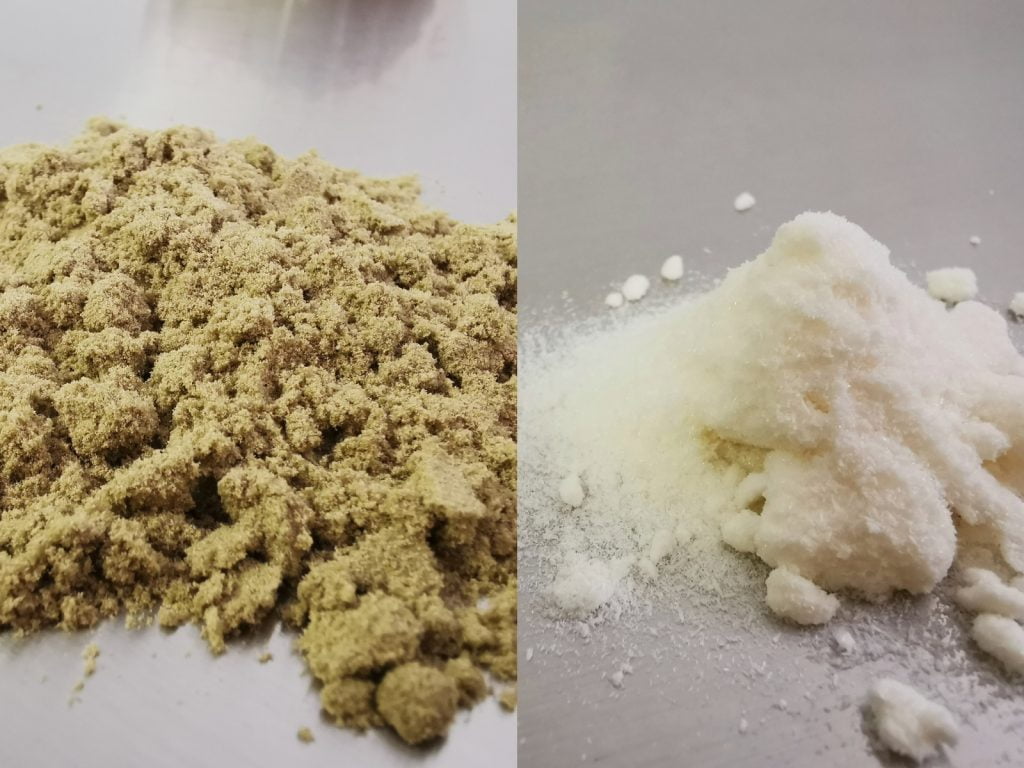
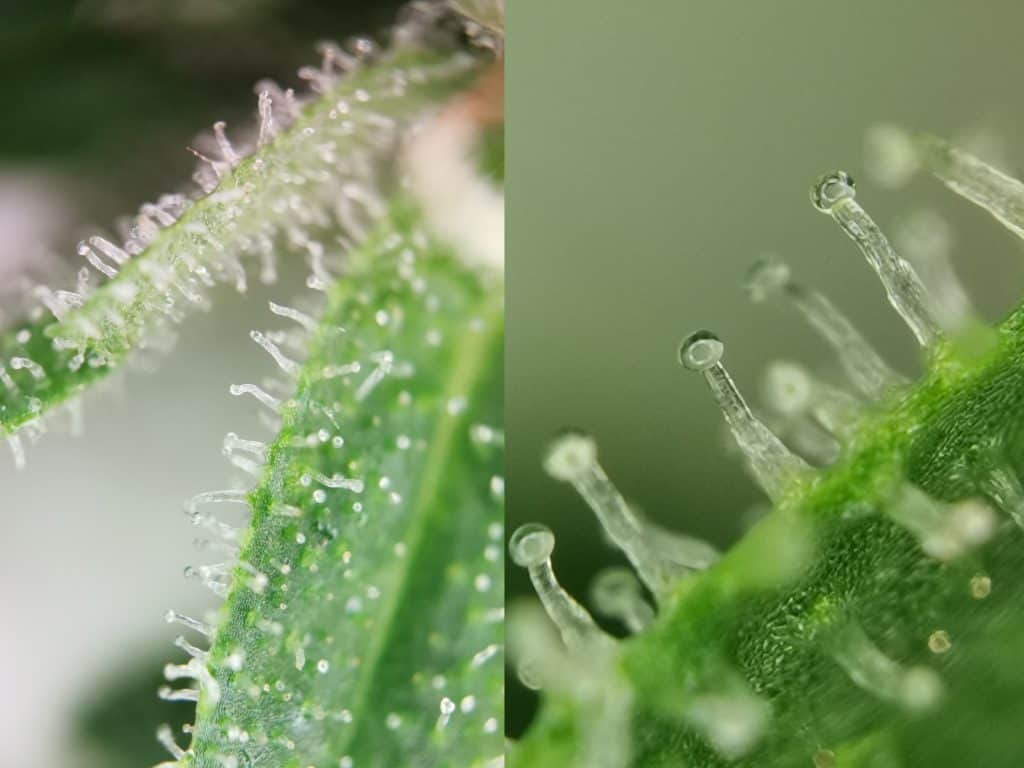
Right: Isolated 99% CBD in powdered crystal form.
Legality of CBD
The legal status of cannabidiol varies around the world. In some countries, CBD is legal and widely available. In others, it is strictly prohibited. Cannabidiol as a compound is not considered a controlled substance. However, countries with stricter regulations may prohibit hemp/cannabis-derived CBD.
European Union, allows the free trade of cannabidiol. If it is derived from hemp and contains less than 0.3% THC, it is not considered a controlled substance and is legal. However, some countries within the EU have stricter regulations. This is especially true if the product is intended for human consumption.
Within US, hemp-derived CBD with less than 0.3% THC is federally legal, but some states have laws further restricting or prohibiting it. Additionally, CBD products sold in the US are not yet subject to FDA regulation,
In Canada, CBD is legal for both medical and recreational use as long as it is derived from hemp and contains less than 0.3% THC.
In Australia, CBD is legal for medicinal use and can be prescribed by a physician.
For many Asian countries, such as China and Japan, CBD is illegal.